Pet Dental Health: The Care Step Most Owners Skip (And Shouldn't)
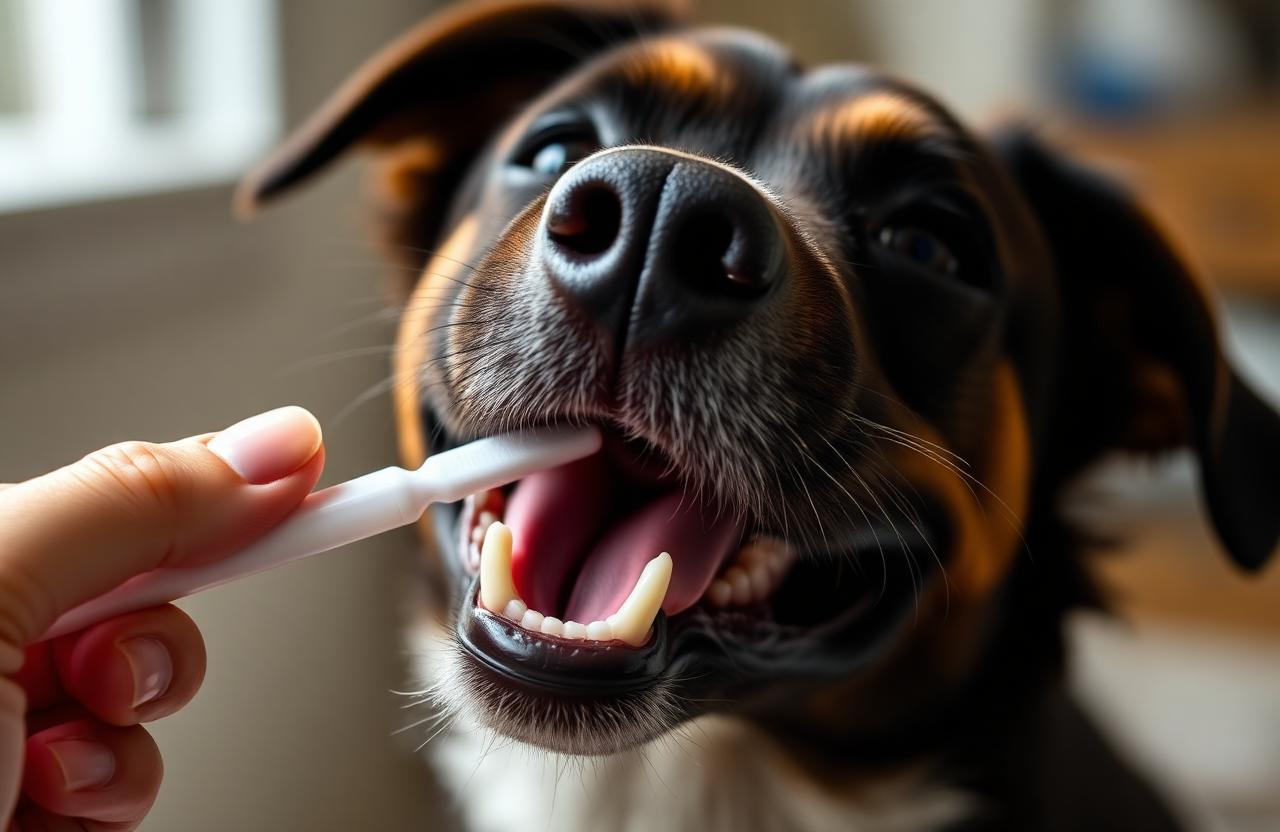
If there's a single preventive habit that adds quality years to your pet's life, it's dental care. According to the American Veterinary Dental College, periodontal disease is the most common clinical condition in adult dogs and cats — affecting more than 80% of dogs and 70% of cats by age three.
Why Dental Disease Is More Than Bad Breath
Tartar buildup hosts bacteria that don't just stay in the mouth. They enter the bloodstream and can damage the heart, kidneys, and liver over time. That "fishy" or strongly bad breath you may have shrugged off? It's usually the first warning sign of active gum disease.
The Gold Standard: Daily Brushing
Nothing replaces mechanical removal of plaque before it hardens into tartar (which only a vet can remove). A few rules to make brushing realistic:
- Use a pet-specific toothpaste — human toothpaste contains xylitol and fluoride that are toxic to pets
- Start slowly: let your pet lick the paste off your finger for a week before introducing a brush
- A finger brush or soft pet toothbrush works for most dogs; cats often prefer a gauze pad wrapped around your finger
- 30 seconds per side, focused on the gum line, is enough — daily beats long-but-rare sessions
If Brushing Isn't Realistic — Backup Options
Daily brushing is ideal, but not every pet (or owner) can manage it. These alternatives still help:
- VOHC-approved dental chews — look for the Veterinary Oral Health Council seal
- Dental diets — kibble shaped to scrape teeth as your pet chews (Hill's t/d, Royal Canin Dental)
- Water additives — modest benefit, but easy to combine with other methods
- Raw bones — controversial; carries fracture and bacterial risk, discuss with your vet
Professional Cleanings: How Often, How Much
Most pets need a professional dental cleaning under anesthesia every 1–3 years, depending on breed and home care. Small breeds (Yorkies, Chihuahuas, Dachshunds) often need yearly cleanings; large breeds may stretch to 3 years with good brushing.
Expect to pay $300–$900 in the US for a routine cleaning, more if extractions are needed. So-called "anesthesia-free" cleanings only scrape the visible tooth surface and miss disease below the gum line — major veterinary associations recommend against them.
Warning Signs to Bring Up With Your Vet
- Persistent bad breath
- Pawing at the mouth or face
- Dropping food, chewing on one side, or sudden disinterest in hard kibble
- Red, swollen, or bleeding gums
- Loose or discolored teeth
- Excessive drooling (especially in cats)
Breed-Specific Notes
Small and brachycephalic breeds (Frenchies, Pugs, Persians) crowd a lot of teeth into a short jaw, which traps plaque and accelerates disease. These breeds typically need earlier and more frequent dental care. See our French Bulldog breed guide for breed-specific health context.