Clicker Training Fundamentals: How to Teach Any Dog (or Cat) Anything
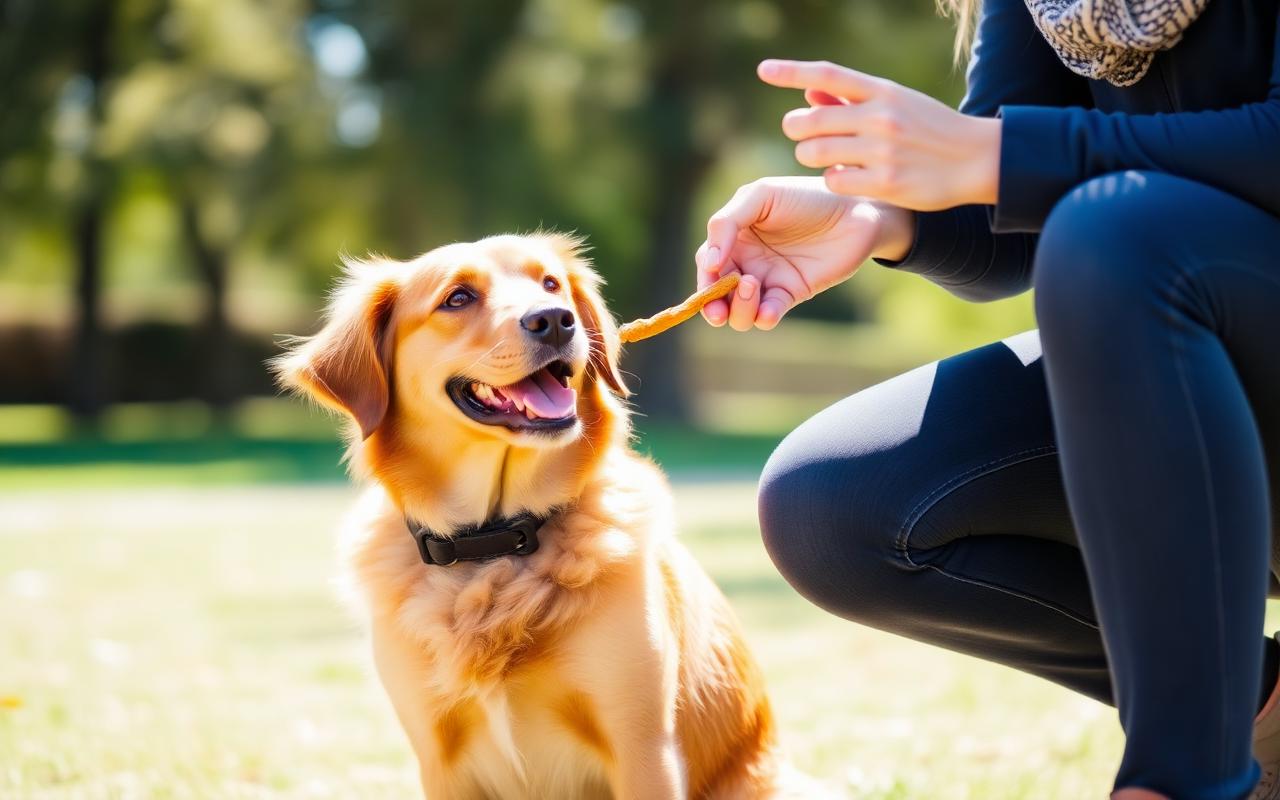
Clicker training is a form of positive reinforcement built on a simple idea: a unique sound (the click) marks the exact instant your pet did something right, and that sound predicts a treat. Done well, it's faster, clearer and kinder than any "no" or leash correction.
Why a Click Beats "Good Boy"
Verbal praise is slow, emotionally variable, and your pet hears it dozens of times a day for nothing. A clicker is fast (under 0.2 seconds), identical every time, and means only one thing: treat is coming. That precision is what closes the gap between behavior and reward.
Step 1: Charge the Clicker
Before training any behavior, the click must mean something. Sit with 20 small treats. Click, then give a treat. Repeat. After a few sessions over 1–2 days, your pet should snap their head toward you the instant you click. The clicker is now "charged."
Step 2: Capture an Easy Behavior
Pick something your pet already does — sitting, looking at you, touching your hand. The moment it happens, click and treat. Within minutes, you'll see them offer the behavior on purpose.
Step 3: Add the Cue (Last, Not First)
This is where most beginners go wrong. Don't say "sit" until your pet is reliably sitting on their own. Once they are, say the word just before they do it, then click and treat. The word now predicts the behavior.
Common Mistakes
- Clicking and not treating. Every click must be followed by a treat — even if you clicked by mistake.
- Treats that are too big. Use pea-sized, soft, smelly treats so sessions stay quick.
- Sessions that are too long. Three 2-minute sessions beat one 10-minute session every time.
- Adding the cue too early. The behavior comes first, the word comes last.
Yes, Cats Too
Cats clicker-train beautifully — touch a target stick, sit, high-five, even come when called. Use a softer click (some clickers have a volume setting) and freeze-dried protein treats.
FAQ
Do I have to use a clicker forever?
No. Once a behavior is on cue, you can fade the clicker and reward intermittently.
What if my dog is afraid of the clicker?
Muffle it in your pocket or use a softer marker word like "yes" said exactly the same way every time.
Conclusion
Clicker training is one tool, applied consistently, that unlocks almost every other training goal. For more behavior guides, see our training & behavior section.