German Shepherd Puppy Training: A 12-Week Roadmap From Day One
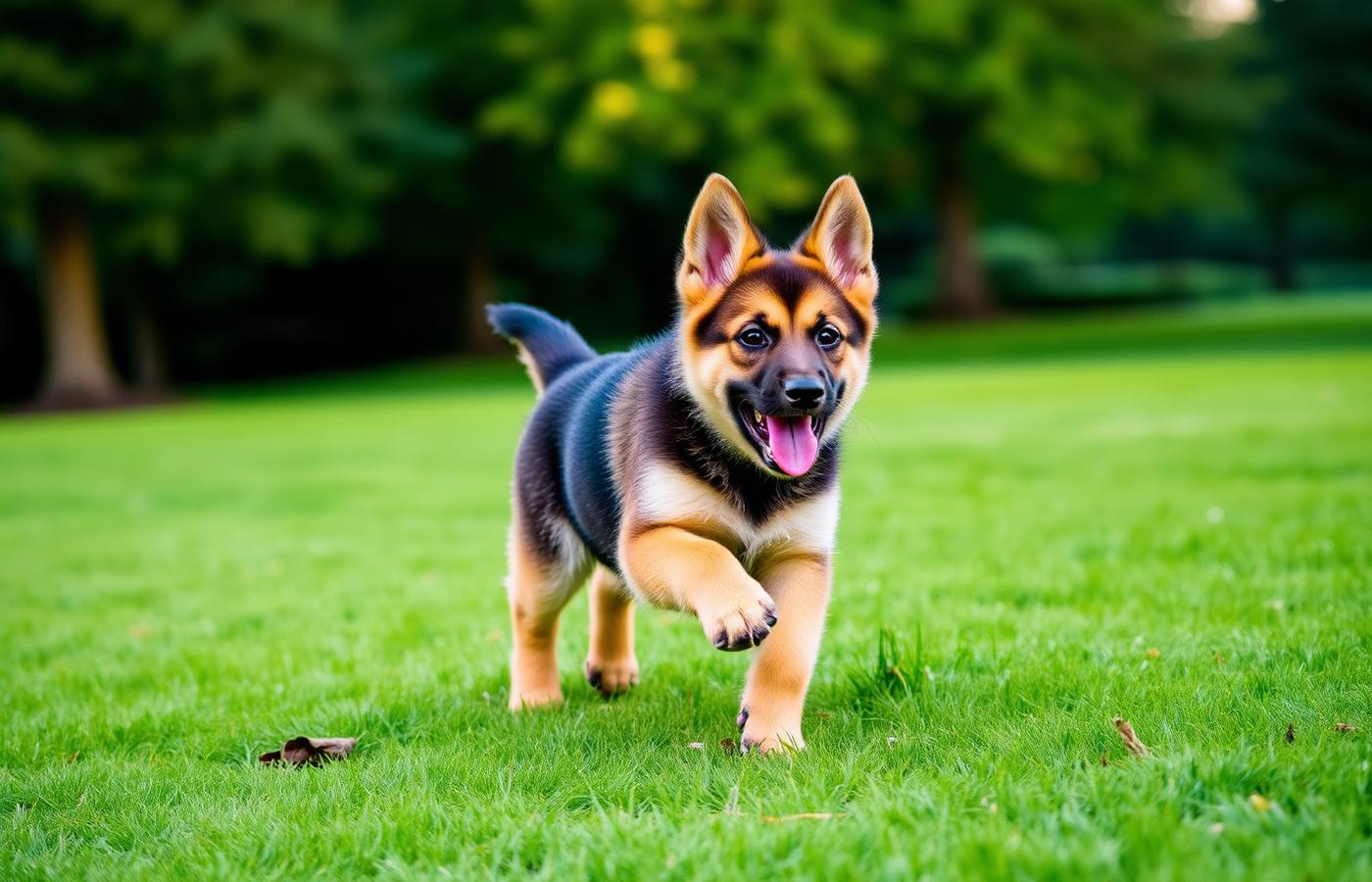
The German Shepherd is one of the most intelligent, loyal, and capable dog breeds on Earth — but those same qualities make an under-trained Shepherd a real handful. The first 12 weeks at home shape the next 12 years.
Why Early Training Matters So Much for German Shepherds
German Shepherds were bred to think and work alongside humans. Without structure, mental stimulation, and clear socialization, they become anxious, reactive, or destructive. The American Veterinary Society of Animal Behavior recommends socialization start before 16 weeks of age — for Shepherds especially, this window is non-negotiable.
What You Need Before You Start
- Properly sized crate (will need to upgrade as the puppy grows)
- Front-clip puppy harness
- 6-foot leash (ditch the retractable)
- High-value training treats
- Two food puzzles or snuffle mats
- A vet who supports positive-reinforcement methods
Week-by-Week Training Plan
Weeks 8–9: Settle, Crate & Name
- Establish a feeding and potty schedule (every 2 hours awake).
- Teach the crate as a safe, rewarding space — never a punishment.
- Pair the puppy’s name with treats 30+ times a day.
- Begin gentle handling: paws, ears, mouth.
Weeks 10–11: Socialization Sprint
Expose the puppy to at least 100 different people, surfaces, sounds and environments before 16 weeks. Examples:
- People wearing hats, beards, sunglasses, uniforms
- Wheelchairs, strollers, skateboards
- Surfaces: tile, grass, gravel, wood floors, metal grates
- Car rides, vet office (just visits, no exam)
Weeks 12–13: Foundation Cues
Introduce, in 2-minute sessions, 5 times a day:
- Sit
- Down
- Look at me
- Recall (start indoors)
- Loose-leash walking in the hallway
Weeks 14–15: Real-World Practice
- Take cues to mildly distracting environments — front yard, quiet park.
- Begin “place” training (settle on a mat for 5+ minutes).
- Introduce impulse-control games (wait at the door, leave it).
Weeks 16–20: Generalization & Group Class
Enroll in a positive-reinforcement puppy class. Start practicing cues at higher distractions and longer durations.
Common Mistakes German Shepherd Owners Make
- Skipping socialization “until vaccines are done” — the behavioral risk is far higher than the medical risk.
- Using prong or e-collars on a young, sensitive Shepherd.
- Underestimating mental exercise. A bored GSD is a destructive GSD.
- Allowing rough mouthing past 14 weeks.
For breed-specific behavior solutions, browse our training & behavior archive.
Daily Routine Template
The single biggest predictor of a calm German Shepherd is structure. A predictable day = a confident dog.
- 7 AM — potty, breakfast in puzzle feeder
- 9 AM — short training, then crate nap
- 12 PM — potty, sniff walk, lunch
- 3 PM — socialization outing
- 6 PM — dinner, family time, gentle play
- 9 PM — final potty, settle in crate
Health, Diet & Growth Notes
Use a large-breed puppy food until 14–15 months. Avoid stair-running and forced exercise on hard surfaces — German Shepherds are prone to hip and elbow dysplasia. See our health & nutrition guides for full feeding charts.
Key Takeaways
- Socialization before 16 weeks is the most important thing you’ll ever do for your Shepherd.
- Use positive reinforcement — Shepherds shut down with harsh handling.
- Mental exercise matters as much as physical exercise.
- Structure and routine create confidence.
- Enroll in a real puppy class by 16 weeks.
FAQ
When should I start training my German Shepherd puppy?
The day you bring them home — typically 8 weeks.
Are German Shepherds good for first-time owners?
Only with strong commitment to training and exercise. They are not low-maintenance.
How long should training sessions be?
2–5 minutes for puppies under 16 weeks; 5–10 minutes after.
How much exercise does a GSD puppy need?
Roughly 5 minutes of structured exercise per month of age, twice a day, plus free play.
Conclusion
German Shepherds give back exactly what you put in. Twelve weeks of focused work earns you a decade-plus of one of the most rewarding canine partnerships possible. For more breed profiles, see our dog breeds hub.