Maine Coon Cat Breed Guide: The Gentle Giant of the Cat World
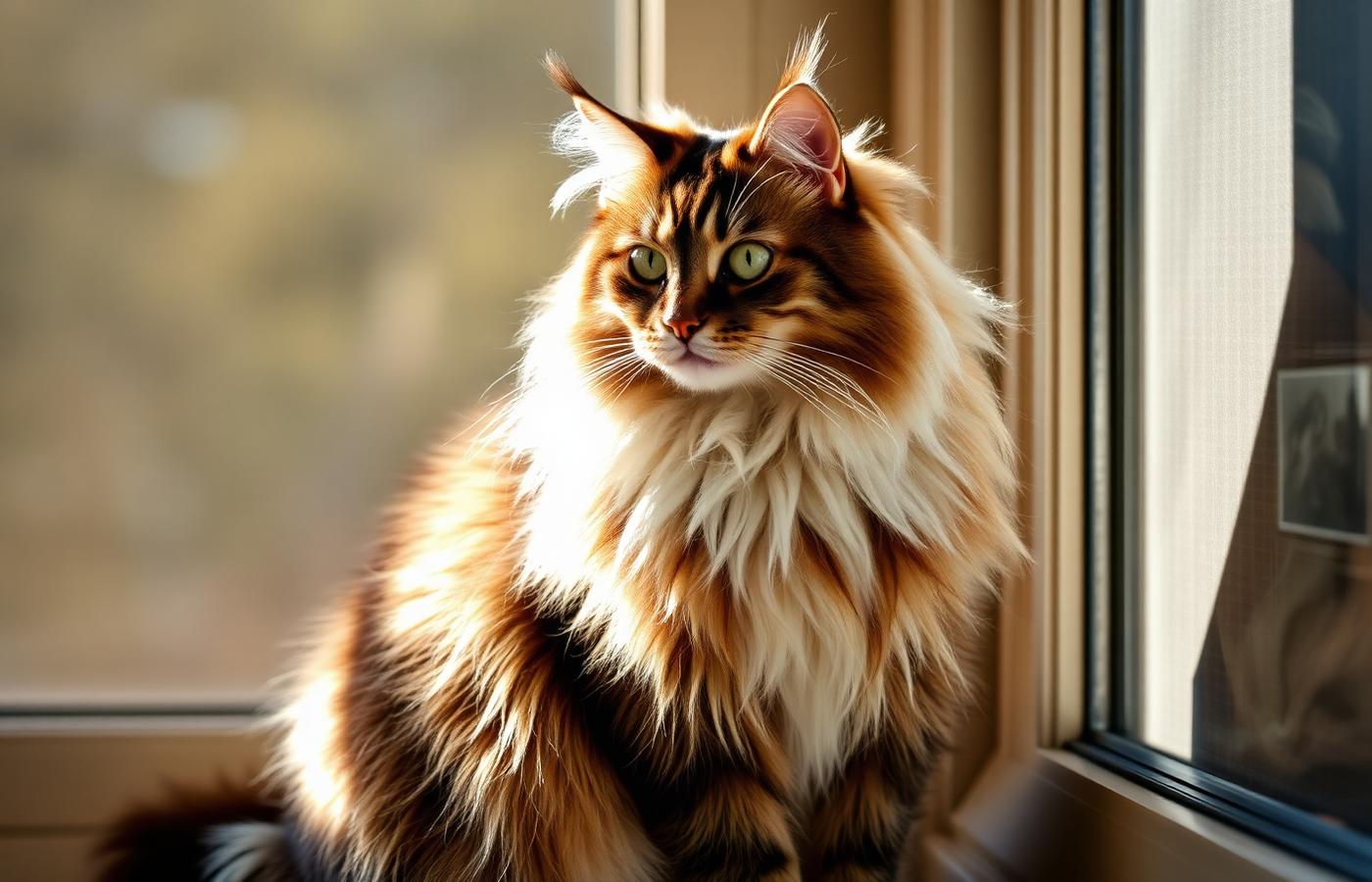
If dogs in cat costumes existed, they’d be called Maine Coons. Massive, fluffy, and weirdly social, this all-American breed has surged in popularity in 2026 thanks to viral TikTok videos showing housecats the size of small dogs.
What Makes the Maine Coon Special
Maine Coons are the largest domesticated cat breed (excluding hybrids). Males commonly reach 18–25 lbs, with the Guinness record holder once measuring over 4 feet long. But size is only half the story — Maine Coons are famously affectionate, chatty (in chirps, not meows) and great with kids and dogs.
Quick Breed Snapshot
- Weight: 8–25 lbs (males larger)
- Lifespan: 12–15 years
- Coat: Long, water-resistant, double-layered
- Personality: Friendly, playful, intelligent
- Good with kids and other pets: Excellent
Origins: A Truly American Breed
Maine Coons developed naturally in the cold farmlands of Maine in the 1800s. Their water-resistant coats, tufted paws (built-in snowshoes) and oversized bodies are evolutionary adaptations to harsh winters. The Cat Fanciers’ Association breed standard still emphasizes these working-cat features.
Personality: The “Dog of the Cat World”
Maine Coons:
- Follow you from room to room
- Often learn to fetch and walk on a harness
- “Talk” using soft chirps and trills
- Stay playful well into senior years
- Rarely show aggression — they’re famously tolerant
For families adopting a Maine Coon kitten, our kitten care guides walk through the first 12 weeks step by step.
Health Considerations
Like every purebred cat, Maine Coons carry breed-specific risks. Reputable breeders test for:
- Hypertrophic cardiomyopathy (HCM): The most common feline heart disease.
- Hip dysplasia: Rare in cats but possible in giant breeds.
- Spinal muscular atrophy (SMA): Genetic test available.
- Polycystic kidney disease (PKD): Less common but screened.
Always ask for written proof of HCM and SMA testing on both parents. Read more in our health & nutrition hub.
Grooming a Maine Coon
That magnificent coat needs work — but less than you might think. Plan on:
- 2–3 brushings per week with a steel comb
- Daily brushing during spring and fall shedding seasons
- Occasional bathing (most actually enjoy water)
- Nail trims every 2–3 weeks
More long-coat tips in our grooming & lifestyle section.
Cost of Owning a Maine Coon in 2026
- Kitten from breeder: $1,200–$3,500
- Show-quality: $4,000+
- Annual care: $1,200–$2,500
- Lifetime estimate: $18,000–$35,000
Is a Maine Coon Right for You?
Maine Coons are ideal for families that want an interactive cat — a true companion, not just a roommate. They’re not low-maintenance, but they reward effort with extraordinary loyalty.
Key Takeaways
- Largest domestic cat breed; gentle and dog-like in personality.
- Need weekly grooming and HCM-tested parents.
- Live 12–15 years and form deep bonds with their humans.
- Excellent for families, multi-pet homes, and first-time cat owners willing to commit to grooming.
FAQ
How big do Maine Coons really get?
Most males reach 15–20 lbs; truly giant individuals top 22 lbs. Beware breeders advertising 30+ lb cats — that’s usually obesity.
Are Maine Coons hypoallergenic?
No cat is fully hypoallergenic, but Maine Coons produce average levels of the Fel d 1 protein.
Do Maine Coons get along with dogs?
Yes — they’re one of the most dog-friendly cat breeds when introduced properly.
Do they need a companion cat?
They thrive in pairs, especially in homes where humans are away during the day.
Conclusion
Maine Coons are a long-term commitment — financially, emotionally, and in linear feet of cat tower. But for families that want a giant, gentle, dog-like companion, they’re unmatched. Explore more cat breed guides on Paws & Whiskers to find your perfect feline match.